Thursday, 10 September 2015

Foot and Mouth disease

Foot and mouth disease in mouth.jpg

Ruptured oral blister in diseased cow.
FOOT and MOUTH disease in cattle
Foot-and-mouth disease or hoof-and-mouth disease (Aphthae epizooticae) is an infectious and sometimes fatal viral disease that affectscloven-hoofed animals, including domestic and wild bovids.[1][2] The virus causes a high fever for two or three days, followed by blisters inside the mouth and on the feet that may rupture and cause lameness.
Foot-and-mouth disease (FMD) has severe implications for animal farming, since it is highly infectious and can be spread by infected animals throughaerosols, through contact with contaminated farming equipment, vehicles, clothing, or feed, and by domestic and wild predators.[3] Its containment demands considerable efforts in vaccination, strict monitoring, trade restrictions, and quarantines, and occasionally the killing of animals.

Medicinal plants -- carotenoids

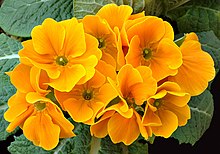
The carotenoids in primroseproduce bright red, yellow and orange shades. People consuming diets rich in carotenoids from natural foods, such as fruits and vegetables, are healthier and have lower mortality from a number ofchronic illnesses


https://en.wikipedia.org/wiki/Medicinal_plants

Medicinal plants -- thyme

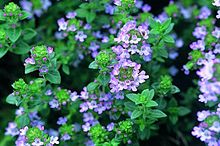
The essential oil of common thyme(Thymus vulgaris), contains 20-54%thymol.[17] Thymol, is a powerfulantiseptic and antifungal that is used in a variety of products.[18] Before the advent of modern antibiotics, oil of thyme was used to medicate bandages.[19][20] Thymol is also used to treat respiratory infections. A tea made by infusing the herb in water can be used for coughs and bronchitis.


https://en.wikipedia.org/wiki/Medicinal_plants

Medicinal plants -- willow trees


The bark of willow trees contains large amounts of salicylic acid, which is the active metabolite of aspirin. Willow bark has been used for millennia as an effective pain reliever and feverreducer

https://en.wikipedia.org/wiki/Medicinal_plants